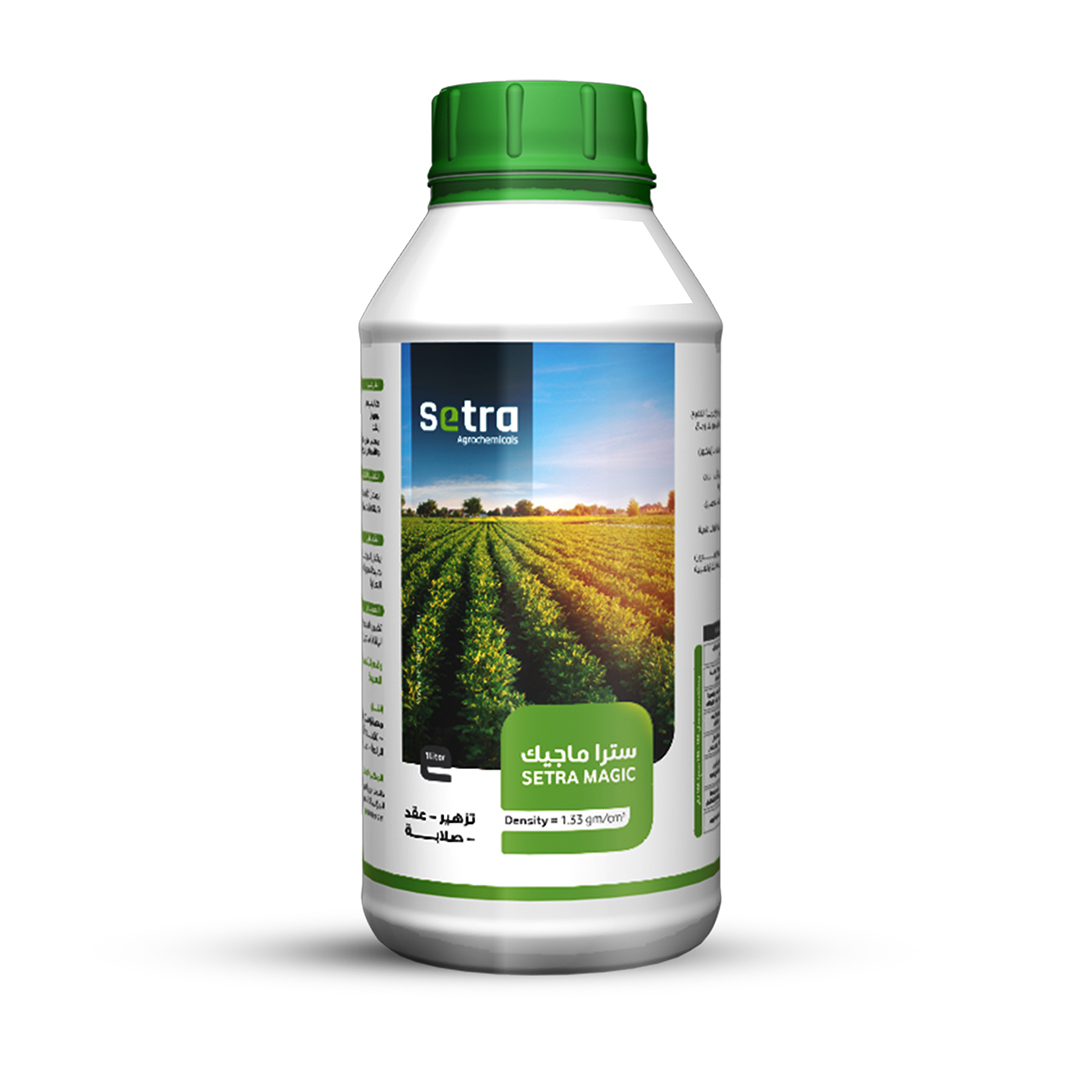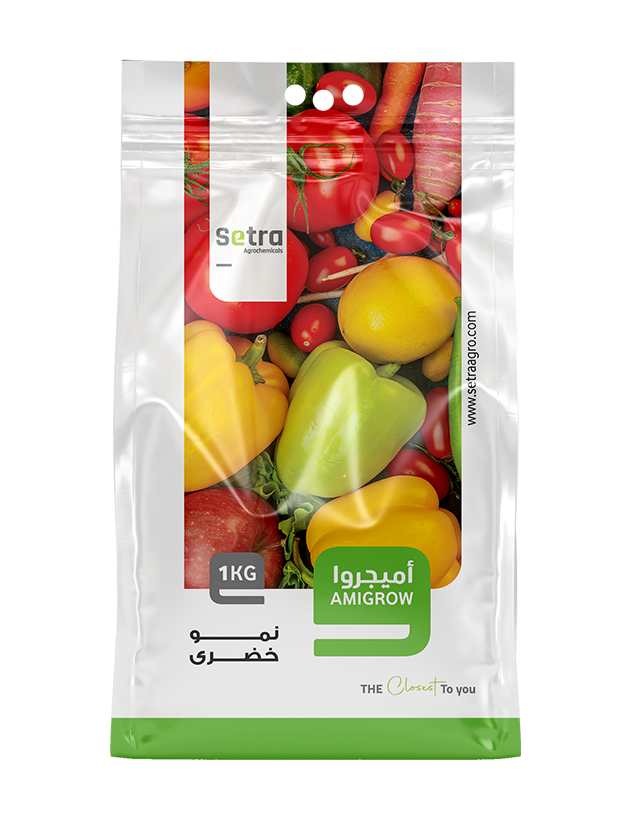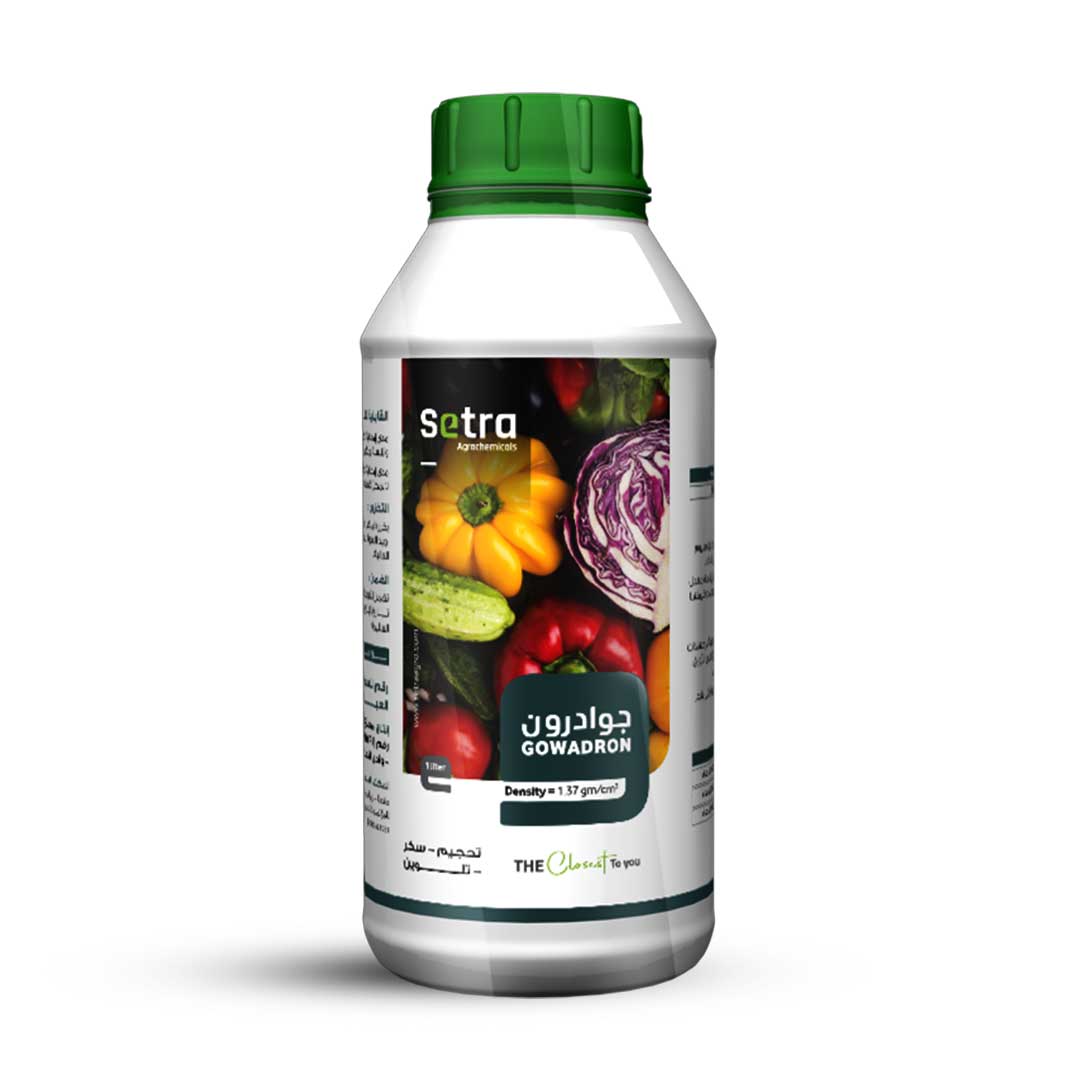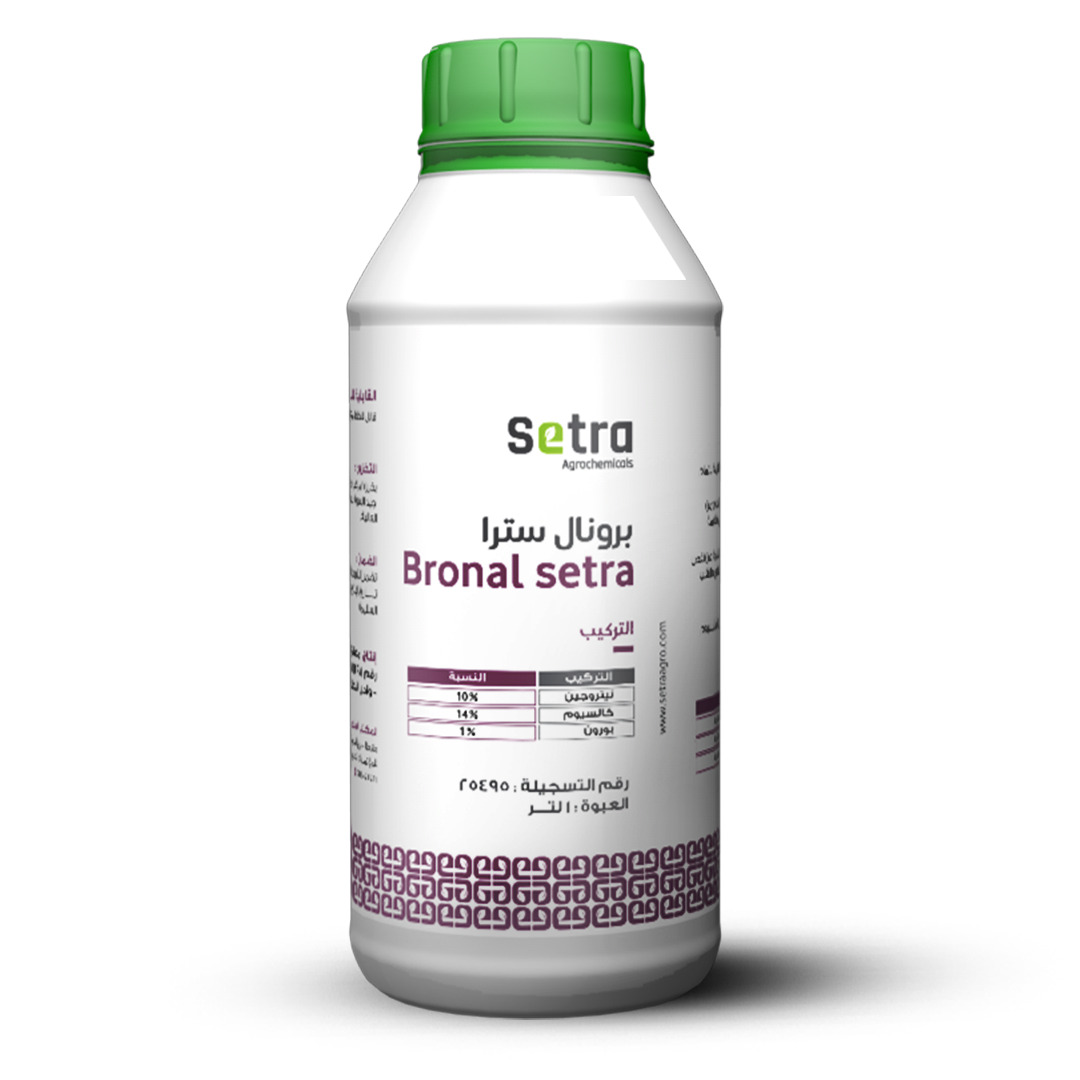
:Composition
Humic 60%,
valvic 10%,
potassium humate 12%
:Features and usage
It improves the properties of sandy soil and protects it from losing water and nutrients.
Improving the plant’s absorption of nutrients from the soil, as well as reducing its loss with irrigation because it acts as a chelating material for nutrients.
Improving the quality of alkaline soils, where humic acids work to liberate major and minor mineral elements and make them absorbable.
– Helps plants to withstand most of the adverse conditions “salinity stresses” (thirst – drought – salinity).
It improves the qualities of fruits because it contains potassium and works to increase the branches of white root hairs.
It helps in the activity of soil microorganisms.
Improving the properties of the soil.
Humic acid and falvic are a carrier substance on which all nutrients are placed when fertilizing, so it preserves the elements in the soil.
– It works to improve the efficiency of the plant to resist salt water by withdrawing salts from the roots, giving the roots an opportunity to absorb them.
Both humic and valvic have functional chemical groups with positive and negative charges, which helps to attract them to: negative anions and positive cations
:Usage rates
.
| Treatment | Addition quantity during the season | Addition rate | The crop |
|---|---|---|---|
| Immediately after planting Then
every 10 days |
3:4kg / acre | 1:2kg / acre | Vegetables – potatoes – beets |
| With the beginning of cultivation and at the beginning of Growth periods, then every 15 days | 3:4kg / acre | 1:2kg / acre | Fruit trees – bananas – apples-Peach – apricot – citrus- |
| Immediately after planting Then every 15 days | 3:4kg / acre | 1:2kg / acre | Field Crops – Beans- Cereals – corn |
| every week | 3:4kg / greenhouse | 1:2kg / greenhouse | Greenhouse |